
Updated November 13, 2026 · Written by Olivia Isabella, PetBuyLab editorial team
A dog’s senior years can be some of the most rewarding of your life together: the frantic puppy energy has settled into calm companionship, and all that shared history shows in every glance. Growing older is not a disease, and with the right care many dogs stay happy, comfortable and active well into old age. The key is to be proactive, to adapt as their needs change, to catch health issues early, and to keep them comfortable. This guide covers when a dog becomes a senior, the check-ups and nutrition that matter most, how to support ageing joints, mind and senses, and the signs that mean a trip to the vet.
About this guide: PetBuyLab is an affiliate-supported site, and this article links to our guides where useful, but it sells nothing itself. It is general wellbeing guidance for older dogs, cross-checked against established veterinary and kennel-club sources (listed below). It is not a diagnosis or a treatment plan. Your vet knows your dog’s health history and is the right person to guide senior care, screening and any symptoms you notice.
Dogs reach their senior years at different ages depending on size, roughly 6 to 7 for giant breeds and 10 to 12 for small ones. The most valuable thing you can do is switch to twice-yearly vet check-ups with senior blood screening, so problems are caught early. Beyond that: keep your dog lean, support their joints and comfort, look after their teeth, keep their mind active, and adapt your home as their senses change. Use the calculator below to see where your dog is.
- “Senior” depends on size: giant breeds age sooner, small breeds later.
- Switch to twice-yearly vet visits with senior bloodwork to catch issues early.
- Keeping a senior dog lean is one of the biggest favours you can do their joints.
- Support ageing joints with vet-guided pain relief, traction, ramps and orthopedic bedding.
- Watch for cognitive and sensory changes, and adapt the home to keep life easy.
Senior age calculator
Because larger dogs age faster, there is no single “senior” age. Enter your dog’s age and size for a rough life stage and when it is wise to start senior health screening. This is a general guide, not a substitute for your vet’s assessment of your individual dog.
When is a dog a senior?
There is no single birthday when a dog becomes old. A useful way vets think about it is the final quarter of a dog’s expected lifespan, which means size matters enormously, because smaller dogs live longer. As a rough guide, giant breeds may be seniors by six or seven, large breeds by around eight, medium dogs by ten, and small breeds not until eleven or twelve. The old “one dog year equals seven human years” rule is a myth; dogs age fastest in their first couple of years and then at a rate that depends on their size and breed. What matters in practice is not the label but noticing that your dog is entering their later years, so you can shift from reactive to proactive care.
The twice-a-year vet visit
If you do one thing differently for a senior dog, make it this: move from annual to twice-yearly veterinary check-ups. Because dogs age faster than we do, a year is a long time in a senior dog’s life, and a lot can change in it. More frequent visits, usually paired with senior blood and urine screening, let your vet establish what is normal for your dog and spot problems such as kidney, liver, thyroid or heart changes early, when they are far easier and cheaper to manage. Many conditions of older dogs are manageable for years when caught early and silent until advanced if not. Think of these visits as the foundation that everything else in senior care rests on.
Nutrition and weight
Keeping a senior dog at a healthy, lean weight is one of the single most powerful things you can do for their comfort and longevity. Excess weight worsens arthritis, strains the heart, and raises the risk of several diseases. Older dogs are often less active and need fewer calories, so portions frequently need trimming, and our guide to how much to feed your dog walks through adjusting the amount to your dog’s changing needs. Many seniors do well on a diet formulated for older dogs, and some health conditions call for a specific therapeutic diet, so discuss food with your vet. Watch body condition rather than the scale alone, and raise any change in appetite, weight or thirst promptly, since these can be early signs of illness.
Joints and mobility
Arthritis is extremely common in older dogs and often under-treated, partly because dogs hide pain and we mistake the signs for “just slowing down”. Stiffness after rest, reluctance to jump, take stairs or get in the car, slowing on walks, or difficulty rising can all point to joint pain that your vet can genuinely help with. Modern options include safe pain relief, joint supplements, weight management, physiotherapy and more, so an arthritis check is well worth a conversation. At home, you can make a big difference:
- Traction on slippery floors. Runners and rugs stop painful slips on hard floors.
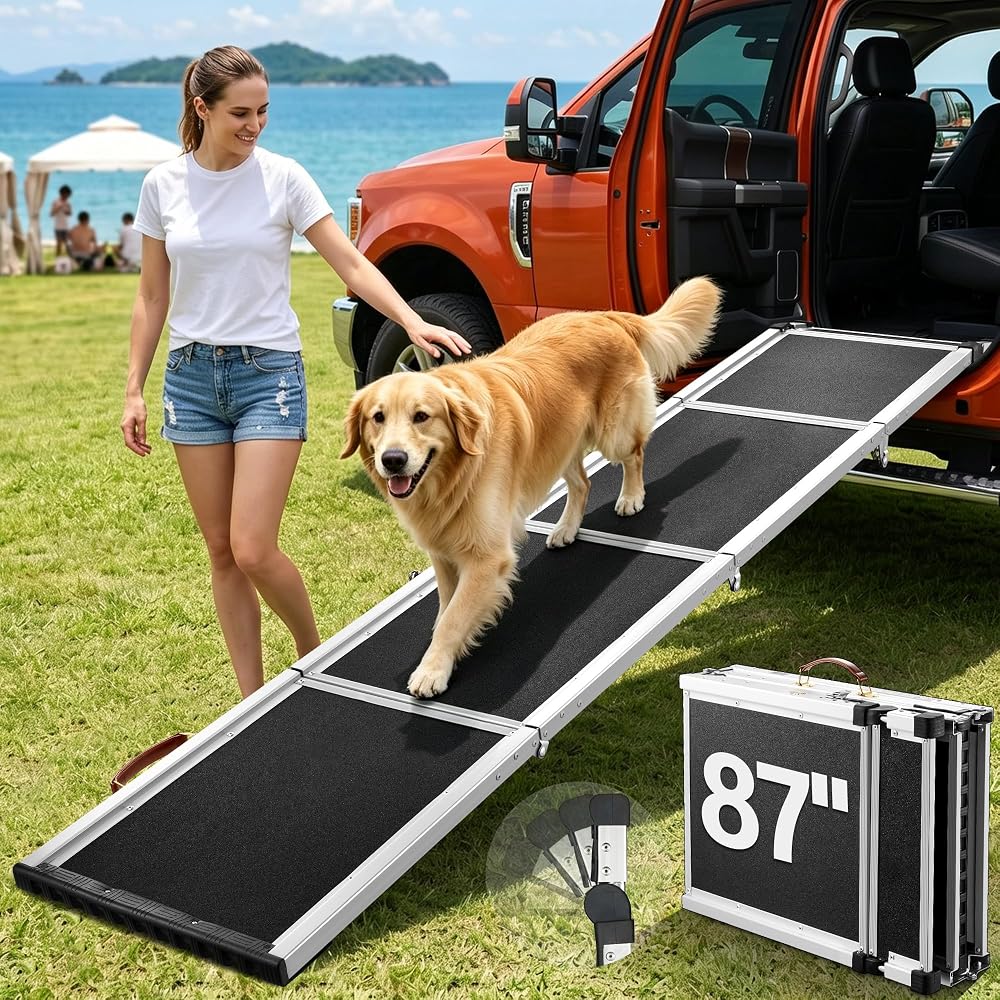
- Ramps instead of jumps. A dog ramp into the car or up to the sofa spares aching joints the impact of jumping.
- Supportive bedding. A good orthopedic dog bed cushions sore joints and eases pressure points.
- Gentle, regular exercise. Shorter, more frequent walks keep joints moving and muscles strong without overdoing it.
Dental care
Dental disease is one of the most common, and most overlooked, problems in older dogs, and it is genuinely painful as well as a source of infection that can affect the whole body. Bad breath, red or bleeding gums, tartar, drooling or reluctance to eat all warrant a check. Keep up home brushing and let your vet assess whether a professional cleaning is needed. Our full guide to dog dental care covers how to look after your dog’s teeth at every age.
Mind and senses
Just as people can, older dogs can experience cognitive decline, sometimes called canine cognitive dysfunction and likened to dementia. Signs include disorientation, pacing or restlessness especially at night, disrupted sleep, forgetting house-training, staring at walls, or seeming less responsive to you. If you notice these, see your vet: some are treatable or manageable, and keeping your dog’s mind active with gentle training, food puzzles and new but calm experiences can help support brain health.
Senses fade too. Many older dogs gradually lose some hearing or sight, or develop a cloudy look to the eyes. Dogs cope remarkably well, especially in familiar surroundings. Keep furniture in the same places, approach a deaf or blind dog gently so you do not startle them, use scent and vibration cues, and mention any sudden change to your vet, since some eye and ear problems need prompt treatment.
Comfort at home
Small changes around the home make an ageing dog’s daily life much easier and safer:
- A warm, supportive bed in a quiet, draught-free spot, with easy access and no need to climb.
- Non-slip flooring or runners over slippery surfaces to prevent falls.
- Ramps or steps to reach favourite spots and the car without jumping.
- Raised food and water bowls, which some older dogs find more comfortable, and water always close by.
- More frequent toilet breaks, as older bladders need to go more often.
- Warmth, since seniors feel the cold more; a coat on chilly walks and a cosy indoor spot help.
Warning signs to see the vet
Older dogs are more prone to health problems, and because they hide illness, it pays to act early. Book a vet visit if you notice any of these, rather than putting them down to old age:
- Changes in appetite, weight, thirst or how often they urinate.
- New lumps or bumps, or a change in an existing one.
- Stiffness, limping, or difficulty rising, climbing or jumping.
- Coughing, laboured breathing, or reduced tolerance for exercise.
- Vomiting or diarrhoea, especially if it persists.
- Disorientation, night-time restlessness, or loss of house-training.
- Bad breath, mouth pain, or trouble eating.
- Any sudden change in energy, behaviour or senses.
Many conditions of old age are very manageable when caught early. Trust your instinct: you know your dog, and “just not quite themselves” is reason enough for a check-up.
Sources
This guide is cross-checked against established veterinary and kennel-club sources:
Frequently asked questions
At what age is a dog considered a senior?
How often should a senior dog see the vet?
How do I keep my senior dog healthy?
What should I feed a senior dog?
Is my old dog in pain?
How can I help my dog with arthritis at home?
What are the signs of dementia in dogs?
My senior dog is losing their sight or hearing, what can I do?
Why is my senior dog drinking more water?
Should I still exercise my senior dog?
How do I make my home easier for an old dog?
When should I worry about my senior dog?
The bottom line
Caring for a senior dog is mostly about paying attention and staying a step ahead. Recognise when your dog is entering their later years, which comes sooner for bigger dogs, and shift to twice-yearly vet visits with senior screening so problems are caught early. Keep your dog lean, support ageing joints with pain relief and comfort, look after their teeth, nurture their mind, and adapt your home as their senses change. Most of all, act on the small changes rather than dismissing them as old age. Do that, and you give your old friend the best chance of comfortable, happy golden years, and your vet is your partner in every step.
Keep reading

Olivia Isabella is PetBuyLab’s dog specialist and a lifelong dog owner with hands-on experience caring for senior and large-breed dogs. She researches, compares and lives with the mobility, comfort and everyday-care products she writes about, so she knows the practical details a spec sheet misses: how a ramp’s length sets the real slope a stiff-hipped dog will attempt, why surface grip decides whether a nervous dog commits, and how the wrong pick ends up unused in the garage. Every recommendation is built from manufacturer specifications, documented owner feedback and reputable veterinary sources, and is organised around a specific dog’s needs, never around commission. Her guides are informational and never a substitute for professional veterinary advice.