

Updated October 21, 2026 · Written by Olivia Isabella, PetBuyLab editorial team
A crate bed has one job a normal dog bed does not: it has to fit the crate. Too big and it bunches up in the corners, too small and it slides around, and if your dog chews, the wrong pad can become a real health risk. A good dog crate bed makes the crate a cosy den your dog wants to rest in, stays put on the tray, and survives the wash. This guide covers the best crate beds and mats, how to size one to your exact crate, and how to pick a pad that is safe for a chewer.
Disclosure: PetBuyLab is reader supported. When you buy through links on this page we may earn a small affiliate commission, at no extra cost to you. It never changes our picks, and we do not take payment for placement. This is general guidance, not veterinary advice.
Pick a crate pad that matches your crate size (24 to 48 inches) and lies flat without overhanging. For most dogs, a washable fleece or foam pad is the sweet spot. If your dog chews bedding, choose a chew-resistant pad with a tough cover and no loose stuffing, and supervise, because swallowed stuffing can cause a dangerous blockage. Use the size finder below to get the right dimensions.
- Size first: measure the crate’s interior floor and pick a pad an inch or two smaller so it lies flat.
- Standard crate sizes are 24, 30, 36, 42, and 48 inches, matched to your dog’s length not just weight.
- Washable is non-negotiable for crate pads, since crates see accidents, especially with puppies.
- For chewers, choose a tough chew-resistant pad, and never leave a dog to shred and swallow bedding.
- Crate pads are thinner than normal beds on purpose, so they fit the tray and still cushion the floor.
We judge crate beds on the things that matter in a crate: a true size match to standard crates, a washable and ideally waterproof build, real chew resistance for dogs that need it, and enough cushion without being too thick for the tray. We cross-check verified owner reviews, flag loose-stuffing pads as a chewing hazard, and never take payment for placement. PetBuyLab is affiliate supported but editorially independent, and this is general information, not veterinary advice.
Crate Bed Size Finder
Pick your crate size and whether your dog chews, and this tool gives you the pad dimensions to buy, the right type, and the safety steps for chewers. Getting the size right is the single most common crate-bed mistake, so start here.
How to size a crate bed
This is where most people go wrong, so it is worth 60 seconds. Measure the inside floor of your crate, length and width, not the outside. Then pick a pad an inch or two smaller on each side. That way it lies flat and covers the tray without riding up the walls or folding in a corner. Crates come in standard lengths, and each suits a size of dog measured nose to tail-base, not just by weight. A pad that is too big is the number one reason a crate bed bunches into a lump your dog shoves aside.
| Crate size | Suits | Pad size (approx) |
|---|---|---|
| 24 in | Small / toy breeds | 23 x 17 in |
| 30 in | Small to medium | 29 x 18 in |
| 36 in | Medium to large | 35 x 22 in |
| 42 in | Large | 41 x 27 in |
| 48 in | Extra-large / giant | 47 x 29 in |
The 6 best dog crate beds and mats
These are the crate pads that fit standard trays, wash well, and hold up, with a pick for comfort, chewers, joints, easy washing, puppies, and a budget. Each earns strong owner reviews.

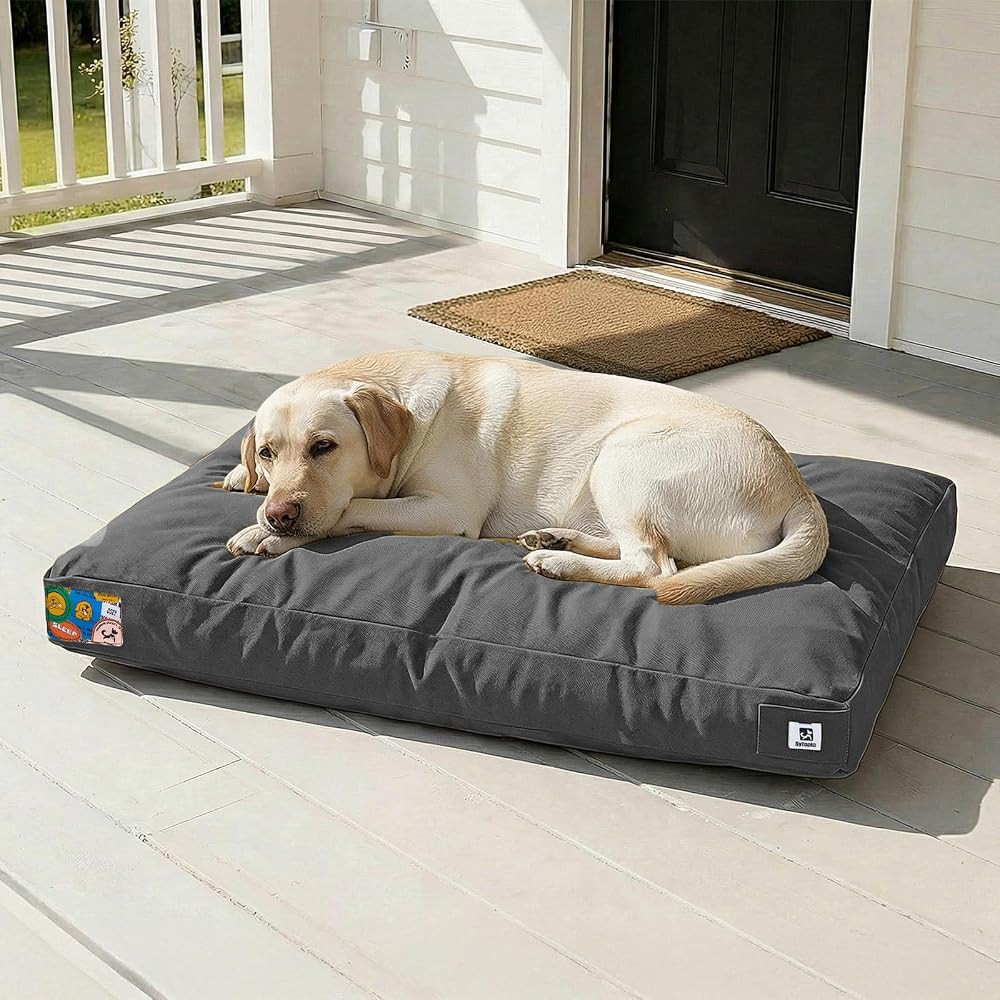
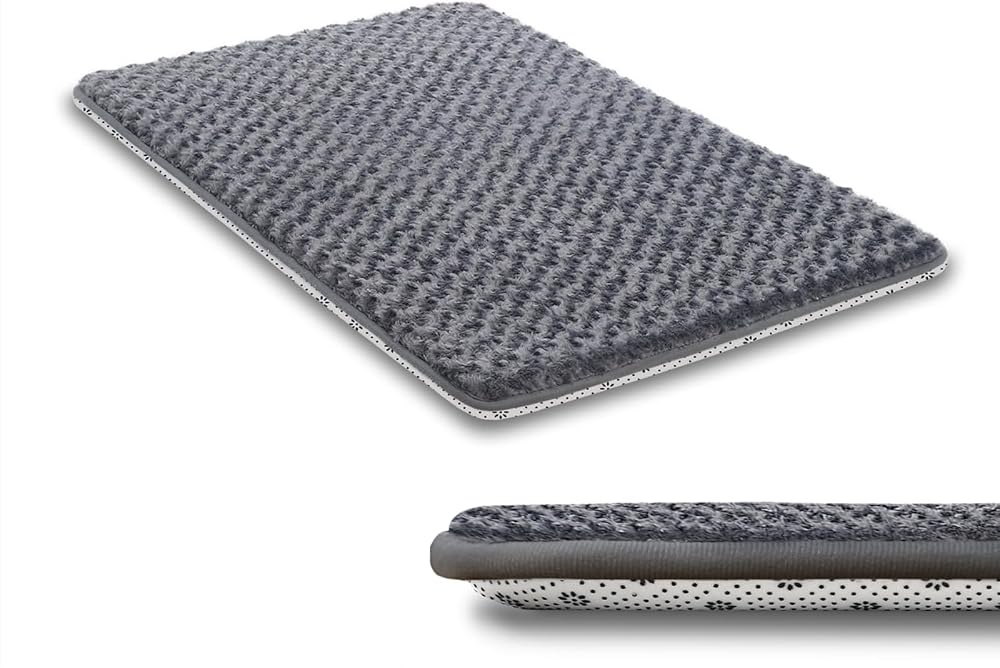
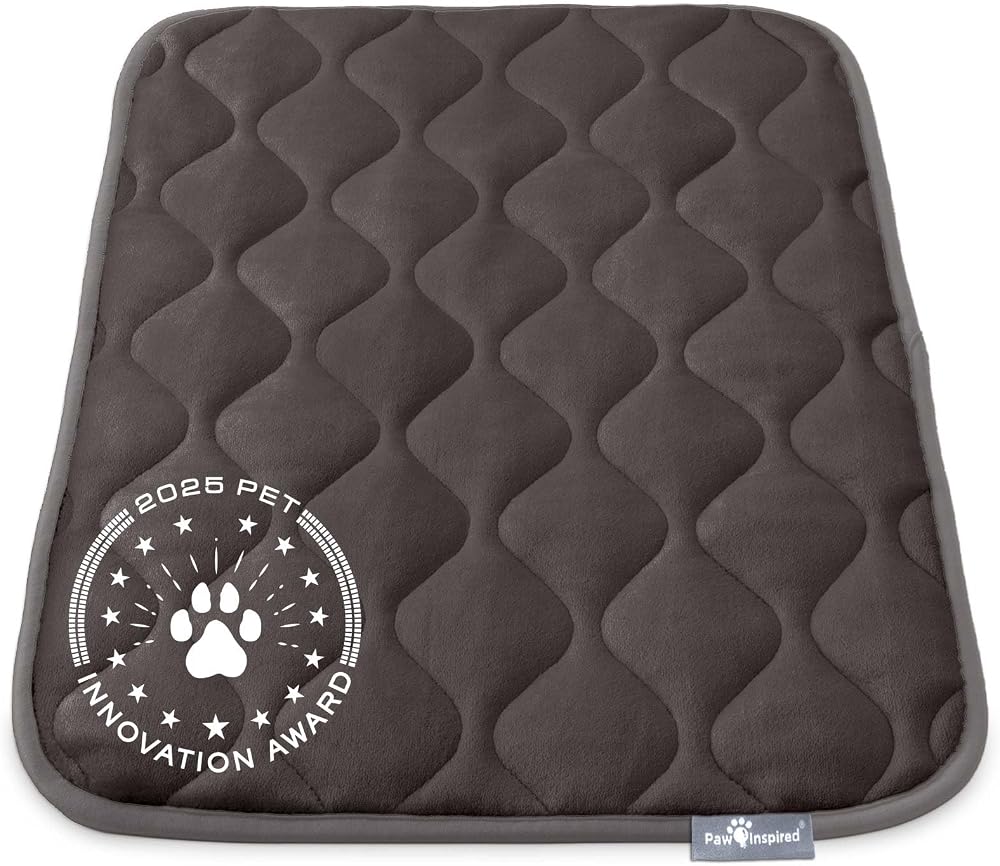
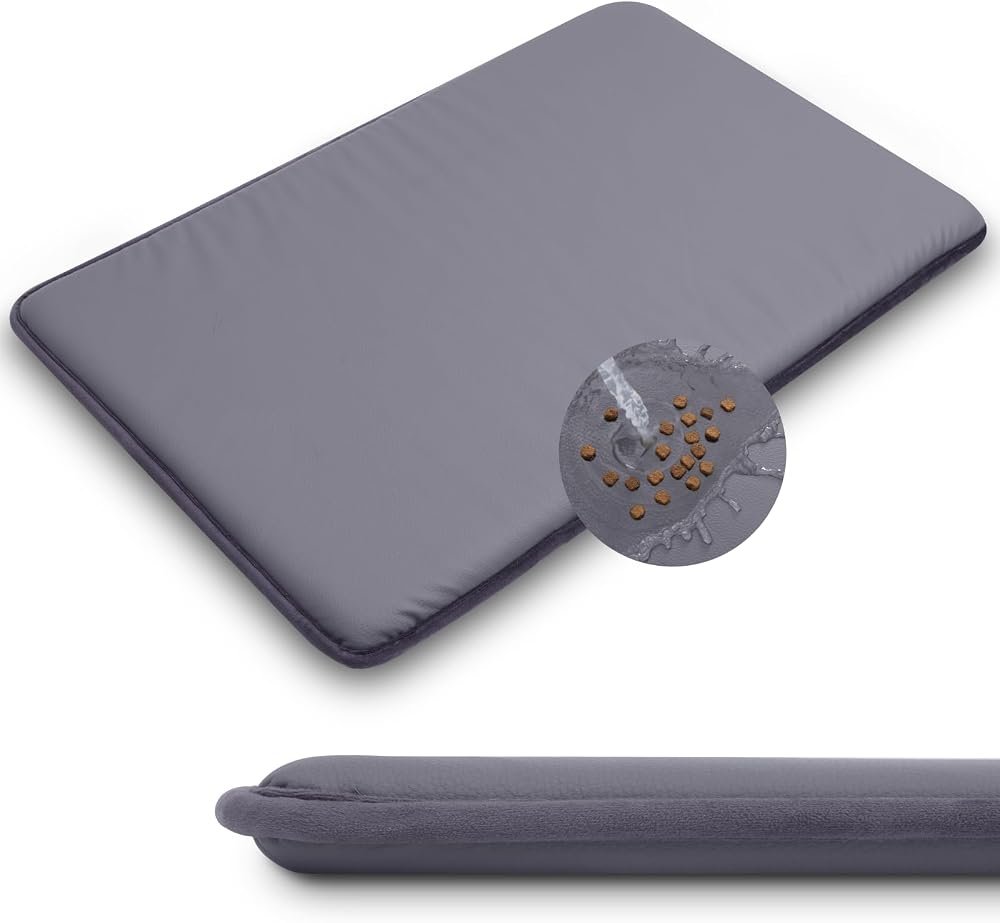
How the crate beds compare
| Pad | Type | Best for | Why it stands out |
|---|---|---|---|
| Bedsure ComfyFleece | Fleece, washable | Most dogs | Soft, cosy, and machine washable |
| Indestructible Pad | Chew-resistant | Chewers | Tough cover built for aggressive chewers |
| High-Resilience Foam | Orthopedic foam | Joints | Firmer support for older dogs |
| Paw Inspired Padded | Washable, removable cover | Easy cleaning | Holds up to repeated washing |
| Reversible Waterproof | Waterproof | Puppies | Accidents never reach the padding |
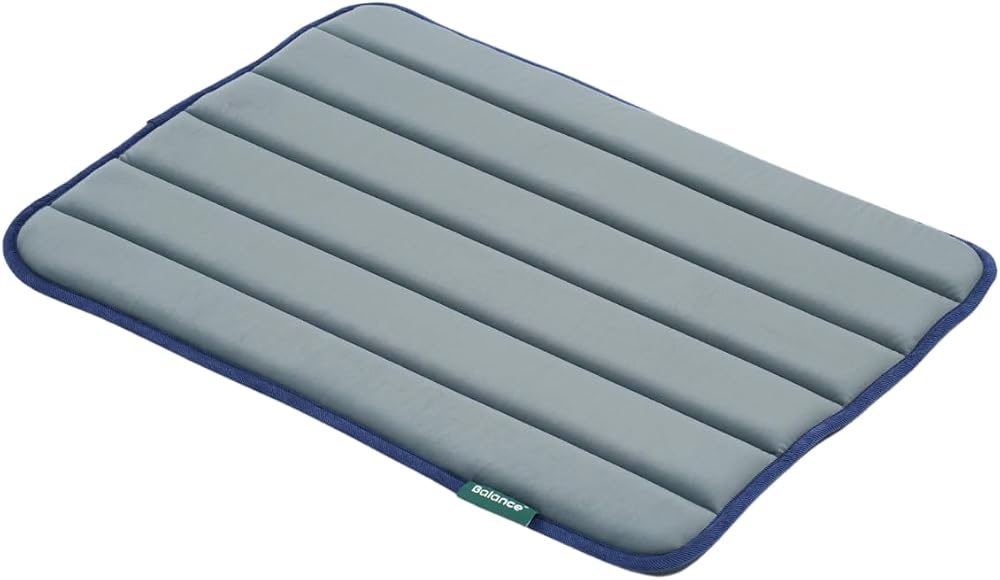
| BALANCE Foam Mat | Foam, washable | Value | Solid comfort at a low price |
What you get at each price range
Basic washable pad
A simple fleece or foam crate pad. Great for puppies and gentle chewers, and cheap enough to replace as a puppy grows.
The sweet spot
A thicker, more durable pad with better washability or orthopedic foam. The best balance for an adult dog’s daily crate.
Chew-resistant & ortho
Tough chew-resistant pads and thicker orthopedic crate beds built to survive determined dogs and support aging joints.
Which crate bed is right for your dog?
Run the size finder first, then follow the first line that matches.
Chewers and crate-bed safety
This is the part that matters most, because it is a safety issue, not just a durability one. Many dogs chew bedding in the crate out of boredom or anxiety, and a pad that sheds loose stuffing is a genuine hazard. Swallowed stuffing or fabric can cause a gastrointestinal obstruction, which Cornell’s veterinary experts describe as an emergency that often needs surgery. So if your dog chews, choose a chew-resistant pad with a tough outer cover and no loose fill, and supervise. If your dog still shreds it, take the pad out and speak to your vet about why they are chewing. No crate pad is truly indestructible, and an empty tray is safer than a swallowed one.
What to look for in a crate bed
- The right size. Match it to your crate’s interior, an inch or two smaller, so it lies flat.
- Machine washable. Crates see accidents and hair, so an easy wash is essential.
- A waterproof layer for puppies or any dog still house-training.
- Chew resistance if your dog chews, with a tough cover and no loose stuffing.
- A low, flat profile that fits the tray without being so thick the crate door catches.
- A non-slip base so the pad does not slide around on the plastic or wire tray.
How to help your dog love the crate bed
A comfy pad is a big part of making the crate a place your dog chooses to rest. A little patience does the rest.
- Put the new pad in the crate with a familiar-smelling blanket or a worn t-shirt.
- Toss treats or a stuffed toy onto the pad so your dog walks in and settles by choice.
- Never use the crate for punishment, so your dog keeps a positive association with it.
- Remove collars and tags before crating, since a caught tag can injure your dog.
- Build up crate time slowly, and give a senior or achy dog extra cushioning and shorter stays.
Common crate-bed mistakes to avoid
- Buying a pad too big, so it bunches into a corner your dog pushes aside.
- Using a loose-stuffing bed for a chewer, risking a swallowed-bedding blockage.
- Skipping waterproofing for a puppy who is still having accidents.
- Choosing a pad so thick the crate door or divider will not close.
- Leaving a determined chewer alone with any pad, chew-resistant or not.
What vets and trainers say
The experts agree a crate should be a safe, comfortable den, used well. The American Kennel Club’s crate-training guidance stresses never using the crate as punishment, removing collars and tags first, and going at your dog’s pace, and it notes that senior dogs with arthritis can be uncomfortable in a crate for long periods, so comfort and shorter stays matter. On safety, Cornell’s veterinary team is clear that a swallowed foreign body such as chewed bedding is a medical emergency. The takeaway: a comfortable, correctly sized, chew-appropriate pad supports good crate training, but it never replaces supervision or a vet’s advice. This is general information, not veterinary advice.
Frequently asked questions
What is the best dog crate bed?
How do I know what size crate bed to buy?
What is the best crate bed for a dog that chews?
Are crate pads machine washable?
What is the best crate bed for a puppy?
How thick should a crate bed be?
Can I put an orthopedic bed in a crate?
Why does my dog push the crate bed into a pile?
Is a crate bed safe to leave with my dog?
What is the best waterproof crate pad?
How often should I wash a crate pad?
Crate bed or just a blanket?
The verdict
The best crate bed is the one that fits your crate, suits your dog, and washes easily. Size it to the tray first, because a pad that bunches or slides defeats the point. Then match the type to your dog: fleece or foam for comfort, waterproof for a puppy, orthopedic for an achy senior, and genuinely chew-resistant for a chewer, with supervision. Get those right and the crate becomes the cosy den it is meant to be, not a lump of bedding shoved in the corner.
Keep reading

Olivia Isabella is PetBuyLab’s dog specialist and a lifelong dog owner with hands-on experience caring for senior and large-breed dogs. She researches, compares and lives with the mobility, comfort and everyday-care products she writes about, so she knows the practical details a spec sheet misses: how a ramp’s length sets the real slope a stiff-hipped dog will attempt, why surface grip decides whether a nervous dog commits, and how the wrong pick ends up unused in the garage. Every recommendation is built from manufacturer specifications, documented owner feedback and reputable veterinary sources, and is organised around a specific dog’s needs, never around commission. Her guides are informational and never a substitute for professional veterinary advice.