

Updated November 1, 2026 · Written by Olivia Isabella, PetBuyLab editorial team
The right deshedding tool can cut the fur tumbleweeds in your home dramatically, pulling out the loose undercoat before it lands on your sofa. But here is the honest key that most lists skip: the best tool depends entirely on your dog’s coat, and using the wrong one can do harm. A FURminator-style deshedding blade is brilliant on a shedding double coat, but it will cut and ruin a curly, non-shedding doodle or poodle coat. This guide matches the right deshedding tool to every coat type, from huskies to doodles, and shows you how to use it well.
Disclosure: PetBuyLab is reader supported. When you buy through links on this page we may earn a small affiliate commission, at no extra cost to you. It never changes our picks, and we do not take payment for placement. This is general guidance, not veterinary advice.
For a shedding double coat (husky, Lab, shepherd), a deshedding tool like the FURminator plus an undercoat rake pulls out the most loose fur. For a curly or non-shedding coat (doodle, poodle), skip the deshedding blade entirely and use a slicker brush and comb to prevent mats. Short coats do well with a deshedding brush or glove. Use the finder below to match the tool to your dog.
- Match the tool to the coat, there is no single best deshedder for all dogs.
- Deshedding blades suit shedding coats only, never curly doodle or poodle coats.
- Double coats need undercoat tools, and should never be shaved.
- Curly and long coats need a slicker and comb to prevent matting.
- Use any tool gently, over-use can damage the topcoat or irritate skin.
We judge deshedding tools on how well they suit a given coat type, how much loose undercoat they remove, whether they risk cutting or damaging the coat, comfort and safety for the dog’s skin, and ease of cleaning. We are honest that the wrong tool can harm certain coats, and we cross-check verified owner reviews. We never take payment for placement. PetBuyLab is affiliate supported but editorially independent, and this is general information, not veterinary advice.
Deshedding Tool Finder
Tell us your dog’s coat type and how much they shed, and this tool recommends the right brush, and warns you off the wrong one.
Match the deshedding tool to the coat
This is where most people go wrong, so here is the simple map.
- Double coats (husky, Labrador, German shepherd, golden): a deshedding tool and an undercoat rake to pull out the loose undercoat. Never shave these coats, the double layer protects against heat and cold.
- Short single coats (beagle, boxer, pointer): a short-hair deshedding brush, a rubber curry or a grooming glove to lift the little tufts they shed.
- Long, silky coats (spaniel, setter): a slicker brush and a comb to lift loose hair and prevent tangles, with a light deshedder for heavy sheds.
- Curly, non-shedding coats (doodle, poodle, bichon): a slicker brush and a comb only. Never a deshedding blade, which cuts the coat. These dogs mat rather than shed, so regular brushing to the skin is essential.
The 6 best dog deshedding tools
From the classic FURminator for double coats to a doodle-safe slicker and a gentle glove, here is the right tool for every coat.


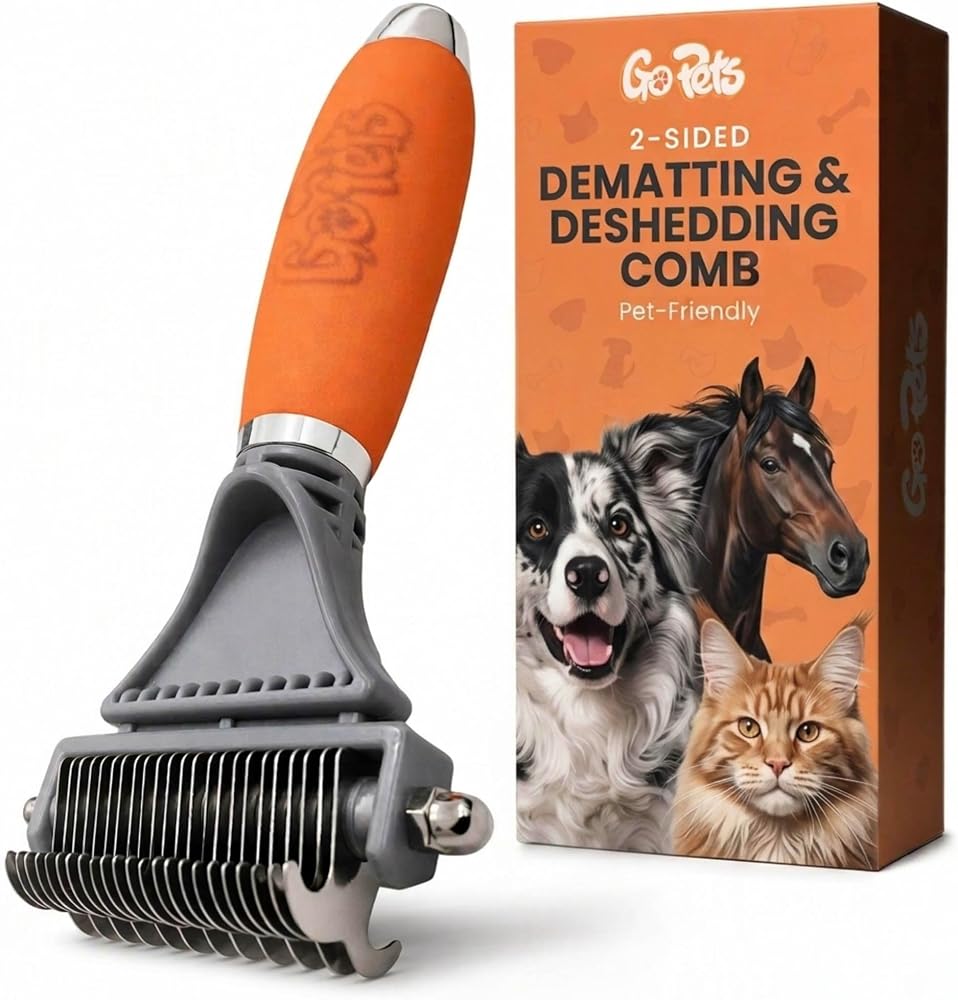
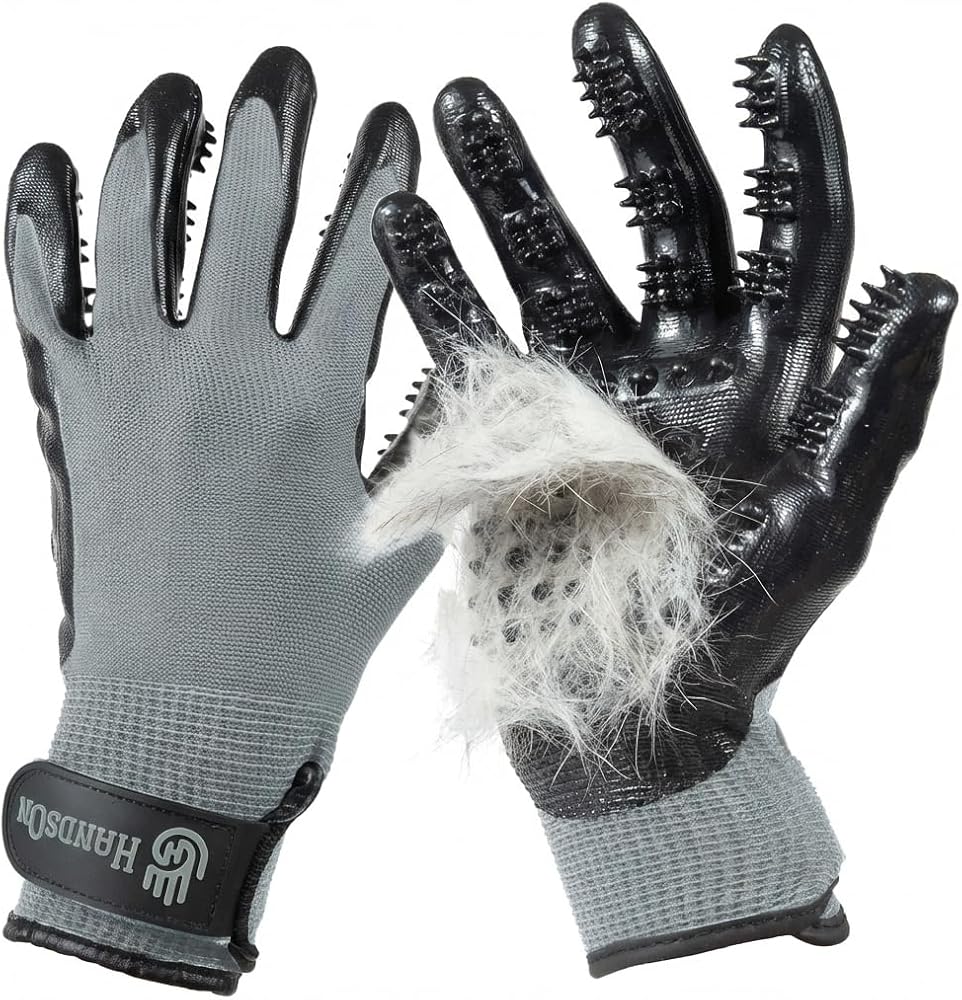
How the deshedding tools compare
| Tool | Coat type | Job | Why it stands out |
|---|---|---|---|
| FURminator | Double / shedding | Pull undercoat | The proven deshedder, reaches deep |
| Undercoat Rake | Thick double | Undercoat & mats | Gets through dense coats and knots |
| Slicker Set | Long & curly / doodle | Lift hair, de-tangle | Doodle-safe, self-cleaning, prevents mats |
| Short-Coat Brush | Short single | Lift loose tufts | Gentle and effective on short hair |
| Dematting Comb | Any with knots | Cut through mats | 2-in-1 deshed and demat in one tool |
| Grooming Gloves | Short / sensitive | Pet off loose hair | Gentle, feels like a massage to dogs |
What you get at each price range
Glove or basic brush
A grooming glove, slicker or short-coat brush. Cheap, gentle and effective for light shedders and short coats. A great starter tool for regular brushing.
Deshedding tool or rake
A FURminator-style deshedder or an undercoat rake for a double coat, which pulls out far more loose undercoat. The sweet spot for a heavy-shedding dog.
Multi-tool kit
A set with a slicker, rake, comb and more, so you can tackle different jobs and coats. Handy for long or curly coats that need several tools.
What to look for in a deshedding tool
- The right type for your dog’s coat, the single most important factor.
- A comfortable grip for the longer sessions a heavy shedder needs.
- An easy-clean or self-cleaning design that ejects the collected fur.
- Rounded, skin-safe edges that lift hair without scratching the skin.
- The right size for your dog, a wider head for a big dog, narrow for a small one.
- A slicker and comb for curly coats, and no deshedding blade for non-shedding dogs.
How to deshed your dog
Good technique removes more hair and keeps the coat and skin healthy.
- Brush a dry, tangle-free coat, work out any mats with a comb first.
- Always brush in the direction the hair grows, in gentle, light strokes.
- Use a light touch, let the tool do the work rather than pressing into the skin.
- Clean the fur off the tool regularly so it keeps lifting the loose coat.
- Brush little and often, a few minutes several times a week beats one long battle.
Deshedding mistakes to avoid
- Using a FURminator or deshedding blade on a curly, non-shedding doodle or poodle coat.
- Shaving a double coat, which can ruin it and remove its insulation and sun protection.
- Pressing too hard or over-brushing, which can scratch the skin or damage the topcoat.
- Brushing over mats instead of working them out gently with a comb or dematting tool first.
- Only brushing occasionally, then fighting a huge shed, little and often is easier.
What groomers say
Professional groomers are emphatic that the tool must match the coat. For shedding double coats, deshedding tools and undercoat rakes remove the loose undercoat that causes most of the mess, and groomers warn strongly against shaving double coats, which can permanently change the coat and remove natural insulation. For curly, non-shedding breeds, they stress slicker brushes and combs and never a deshedding blade, because those coats mat rather than shed and the blade cuts them. The universal advice is a light hand, regular brushing, and dealing with mats gently. If a coat is badly matted, see a groomer rather than cutting at it. This is general information, not veterinary advice.
Frequently asked questions
What is the best dog deshedding tool?
Can I use a FURminator on a doodle or poodle?
What tool is best for a double coat?
How often should I deshed my dog?
Will a deshedding tool stop my dog shedding?
Are deshedding tools bad for a dog’s coat?
What is the best brush for a short-haired dog?
How do I get rid of matting in my dog’s coat?
Is a deshedding glove any good?
Should I bathe my dog before deshedding?
Why is my dog shedding so much?
Can deshedding help with allergies?
The verdict
There is no single best deshedding tool, only the best one for your dog’s coat. A heavy-shedding double coat wants a FURminator and an undercoat rake; a short coat does well with a deshedding brush or glove; a long coat needs a slicker and comb; and a curly, non-shedding doodle or poodle needs a slicker and comb and must never meet a deshedding blade. Get the match right, brush little and often with a light hand, and you will spend far less time vacuuming fur off the furniture.
Keep reading

Olivia Isabella is PetBuyLab’s dog specialist and a lifelong dog owner with hands-on experience caring for senior and large-breed dogs. She researches, compares and lives with the mobility, comfort and everyday-care products she writes about, so she knows the practical details a spec sheet misses: how a ramp’s length sets the real slope a stiff-hipped dog will attempt, why surface grip decides whether a nervous dog commits, and how the wrong pick ends up unused in the garage. Every recommendation is built from manufacturer specifications, documented owner feedback and reputable veterinary sources, and is organised around a specific dog’s needs, never around commission. Her guides are informational and never a substitute for professional veterinary advice.