
Updated October 28, 2026 · Written by Olivia Isabella, PetBuyLab editorial team
When summer hits, a cooling mat gives your dog a cool spot to flop onto without any electricity, ice, or fuss. Most work by pressure, so your dog’s own weight activates a gel that draws heat away. They genuinely help, but here is the honest part up front: a cooling mat is one layer of summer protection, not a cure for overheating. This guide covers the best dog cooling mats, how the gel and fabric types differ, and, just as important, how to spot heatstroke so a mat never gives you false confidence.
Disclosure: PetBuyLab is reader supported. When you buy through links on this page we may earn a small affiliate commission, at no extra cost to you. It never changes our picks, and we do not take payment for placement. This is general guidance, not veterinary advice.
A pressure-activated gel cooling mat suits most dogs and needs no power or freezing. For a chewer, skip gel and use a breathable fabric mat or a raised mesh cot, since punctured gel is messy. Pick a non-slip mat sized to your dog. But remember a mat only cools the surface your dog lies on, so it does not replace shade, water, and airflow, and it will not stop heatstroke in a high-risk dog. Use the risk check below.
- Gel mats are pressure-activated, need no power, and recharge in minutes off the dog.
- For chewers, choose a fabric or raised-mesh cooling mat instead, since punctured gel is a mess.
- A mat cools the contact surface only. It is one layer, never a substitute for shade, water, and ventilation.
- Flat-faced, double-coated, senior, and overweight dogs overheat fastest and need extra care.
- Know heatstroke signs. A dog over about 105°F is a medical emergency, mat or no mat.
We judge cooling mats on how well they actually cool under a real dog’s weight, not how cold they feel to your hand, plus durability, leak and chew safety, non-slip backing, and size. We cross-check verified owner reviews for mats that quit after half an hour or that dogs refuse, and we are clear a mat is one layer of heat safety, not a heatstroke fix. We never take payment for placement. PetBuyLab is affiliate supported but editorially independent, and this is general information, not veterinary advice.
Does your dog need a cooling mat?
Pick your dog’s type and your climate, and this tool gives you a heat-risk read, the right kind of mat, and the warning signs to watch. Some dogs overheat far faster than others, and for them a mat is only a small part of staying safe.
How cooling mats work
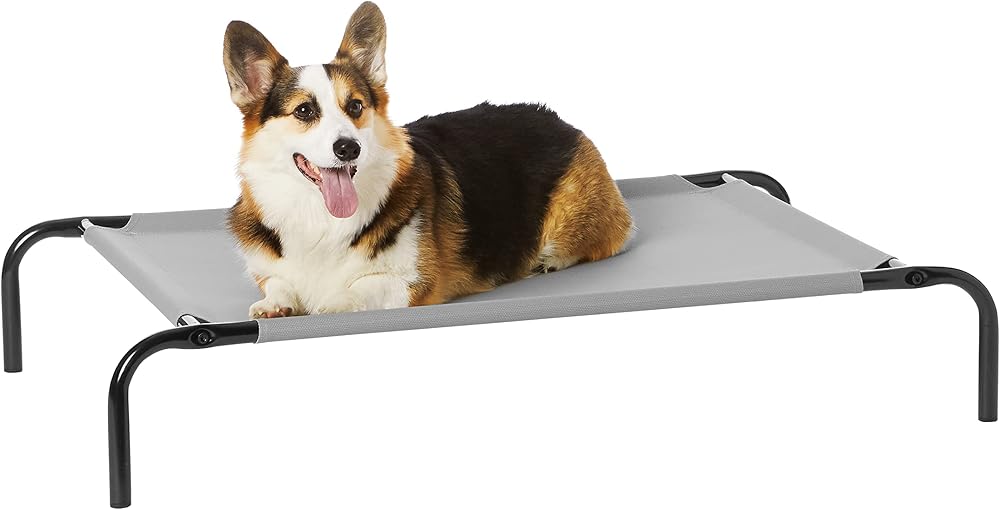
Most cooling mats are pressure-activated gel. When your dog lies down, the weight activates a non-toxic gel that absorbs and carries away body heat, so the surface feels cool. No electricity, no water, no freezing. After about 15 minutes off the mat, the gel recharges to room temperature and is ready again. The honest limits: the cooling is modest and temporary, usually a few hours of real contact, and the mat only cools the patch your dog touches. The other main type is a fabric or Q-Max mat, which uses cool-to-touch fibres and a breathable base with no gel, so there is nothing to puncture, making it the safer pick for chewers. A raised mesh cot cools differently again, by letting air flow underneath. None of them lowers the room temperature, so they work alongside shade and airflow, not instead of them.
The 6 best dog cooling mats
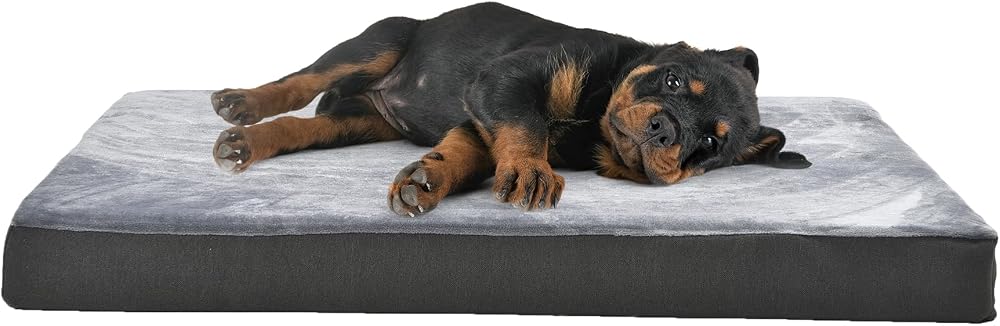
These are the mats that actually cool under a real dog, stay put, and hold up, with a pick for most dogs, large and small sizes, chewers, and value.

How the cooling mats compare
| Mat | Type | Best for | Why it stands out |
|---|---|---|---|
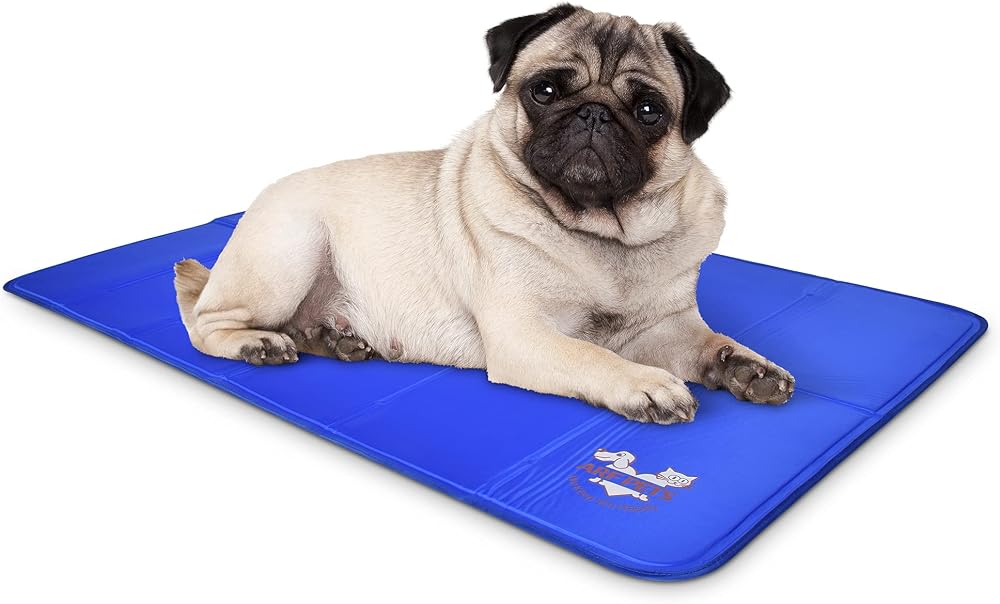
| Arf Pets Gel | Pressure gel | Most dogs | Reliable no-power cooling, trusted |
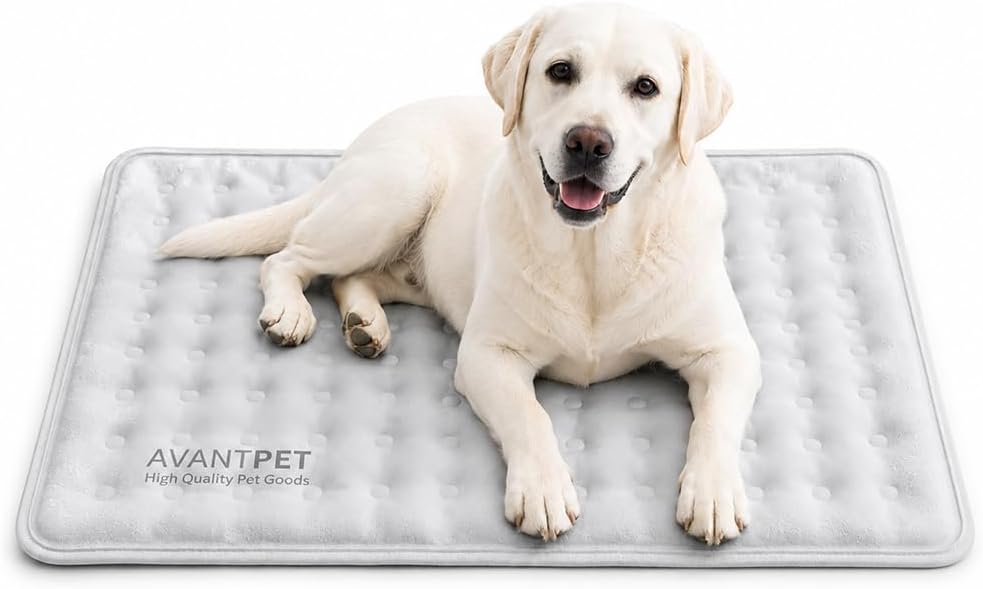
| Non-Toxic Gel (Large) | Pressure gel | Large dogs | Big surface, thousands of good reviews |
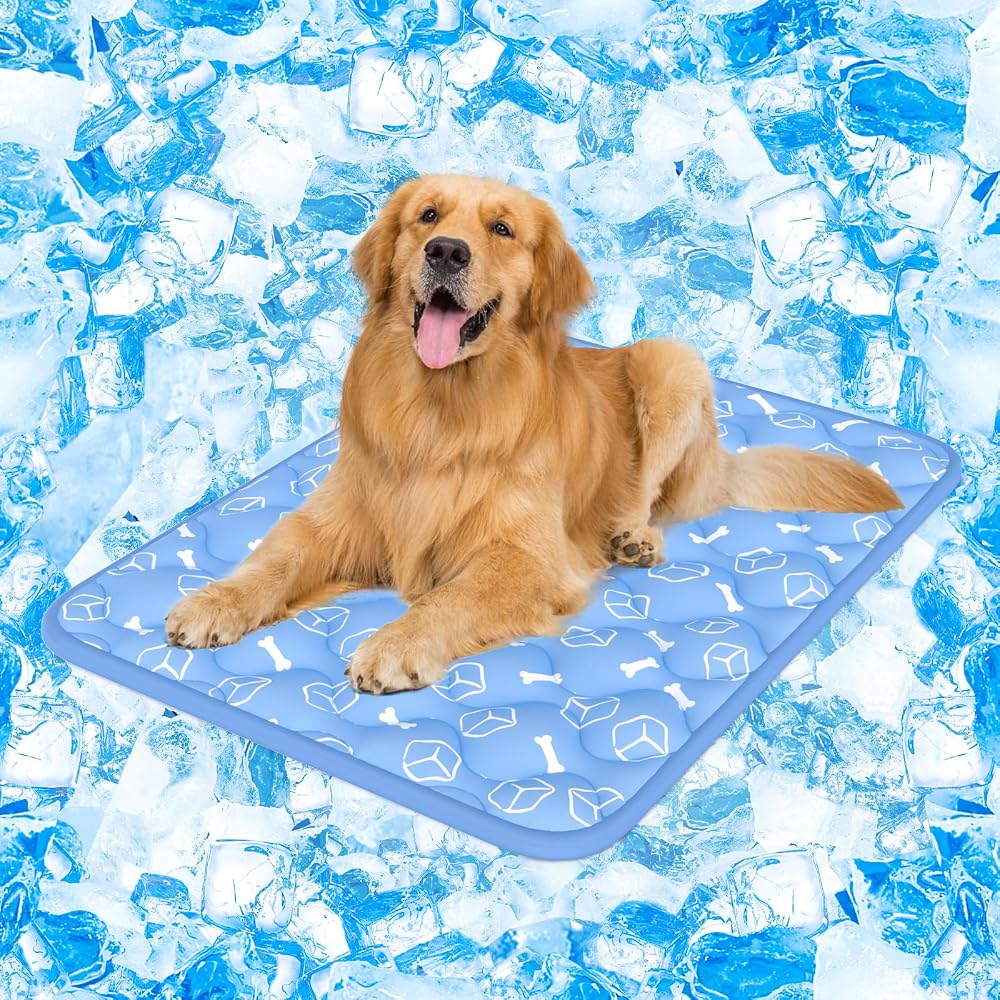
| Cooling Mat 2.0 | Pressure gel | Value | Hugely popular at a low price |
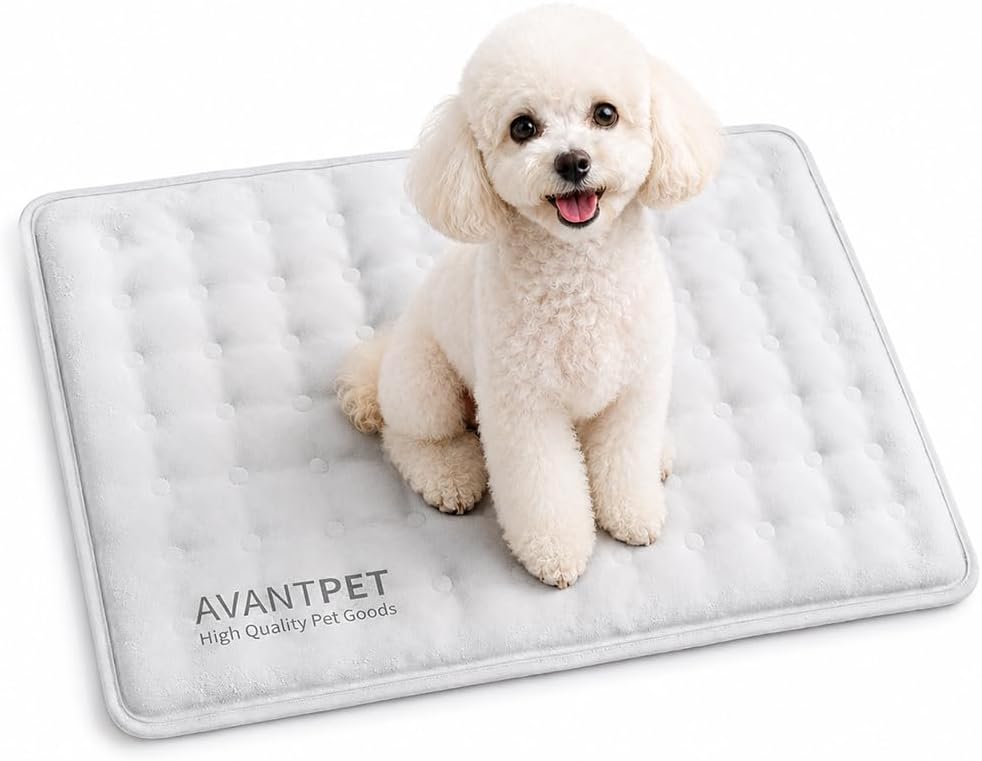
| Non-Toxic Gel (Small) | Pressure gel | Small dogs & crates | Right-sized, also fits a crate |
| Amazon Basics Cooling Bed | Gel insert bed | Comfort + cool | A washable bed with a cool panel |
| Elevated Cooling Cot | Raised mesh | Chewers | Airflow cooling, no gel to puncture |
What you get at each price range
Basic gel pad
A simple pressure-activated gel mat or a raised mesh cot. Plenty for occasional hot days. Check the non-slip base and size.
The sweet spot
A larger, tougher gel mat or a gel-insert bed that is more durable and comfortable for daily summer use.
Beds & cots
Cooling beds and quality raised cots that combine cooling with support, built to last more than one summer.
Heatstroke warning signs every owner should know
This is the most important section on the page, because a cooling mat can give a false sense of safety. A dog’s normal temperature is about 101 to 102.5°F, and once it climbs past roughly 105°F, heatstroke becomes a life-threatening emergency. Watch for heavy or frantic panting, thick drool, bright red or pale gums, a wobbly or disoriented walk, vomiting or diarrhea, and collapse. If you see these, move your dog to shade, offer small sips of water, wet them with cool (not ice-cold) water, and get to a vet immediately, calling ahead. The AVMA’s warm-weather safety guidance stresses never leaving a dog in a parked car and always providing shade, water, and airflow. Flat-faced breeds, double-coated breeds, senior, overweight, and unwell dogs are at the highest risk and can overheat in minutes.
What to look for in a cooling mat
- The right type. Gel for most dogs, fabric or a raised cot for chewers.
- A non-slip base. Dogs refuse a mat that slides, and a slick mat is useless.
- Non-toxic, puncture-resistant gel. In case a determined dog does bite it.
- The right size. Big enough for your dog to lie on fully, or for the crate it goes in.
- Easy to wipe clean. Summer mats get dirty and drooled on.
- Foldable or portable if you want it for the car, crate, or travel.
Cooling mat mistakes to avoid
- Treating the mat as heatstroke protection. It is a comfort, not a safeguard.
- Giving a gel mat to a determined chewer, then dealing with punctured gel.
- Forcing your dog onto it. Let them choose it, and many will once it is cool.
- Leaving a mat in direct sun, where it warms up and stops working.
- Skipping the real essentials: shade, fresh water, airflow, and cool-hour walks.
What vets say about keeping dogs cool
Veterinarians are consistent: in hot weather, prevention is everything. The AVMA’s warm-weather pet safety advice stresses shade, constant fresh water, good ventilation, avoiding exercise in peak heat, and never leaving a dog in a parked car, which can turn deadly in minutes. A cooling mat fits into that picture as one helpful, low-cost comfort, giving your dog a cool surface to choose. It does not replace any of the essentials, and it will not save a dog who is already overheating. For high-risk breeds, talk to your vet about a summer plan. This is general information, not veterinary advice.
Frequently asked questions
Do cooling mats for dogs actually work?
What is the best cooling mat for dogs?
Are gel cooling mats safe if my dog chews it?
How do cooling mats work without electricity?
Will a cooling mat prevent heatstroke?
What is the best cooling mat for a large dog?
How long does a cooling mat stay cool?
Can I put a cooling mat in a crate or the car?
Cooling mat or elevated cooling bed, which is better?
Which dogs need cooling help the most?
Do cooling mats need water or freezing?
My dog will not lie on the cooling mat, why?
The verdict
A cooling mat is a cheap, no-fuss way to give your dog a cool spot in summer, and most dogs appreciate one. Pick a non-slip gel mat for the average dog, a fabric mat or raised cot for a chewer, and size it so your dog fits. Just keep it in perspective: a mat is one small layer of heat safety. The things that actually keep your dog safe are shade, fresh water, airflow, cool-hour walks, and knowing the signs of heatstroke. Get a mat, and keep doing all of those too.
Keep reading

Olivia Isabella is PetBuyLab’s dog specialist and a lifelong dog owner with hands-on experience caring for senior and large-breed dogs. She researches, compares and lives with the mobility, comfort and everyday-care products she writes about, so she knows the practical details a spec sheet misses: how a ramp’s length sets the real slope a stiff-hipped dog will attempt, why surface grip decides whether a nervous dog commits, and how the wrong pick ends up unused in the garage. Every recommendation is built from manufacturer specifications, documented owner feedback and reputable veterinary sources, and is organised around a specific dog’s needs, never around commission. Her guides are informational and never a substitute for professional veterinary advice.