
Updated October 28, 2026 · Written by Olivia Isabella, PetBuyLab editorial team
A dog car seat lifts a small dog up to window height, keeps them in one place instead of roaming the car, and calms a nervous traveller. For the right dog it turns a stressful drive into a happy one. But there is an honest point to make first: most booster seats are about comfort and containment, not crash protection. This guide covers the best dog car seats and boosters, how to pair one with a real safety restraint, and how to pick the right setup for your dog’s size.
Disclosure: PetBuyLab is reader supported. When you buy through links on this page we may earn a small affiliate commission, at no extra cost to you. It never changes our picks, and we do not take payment for placement. This is general guidance, not veterinary or safety-certification advice.
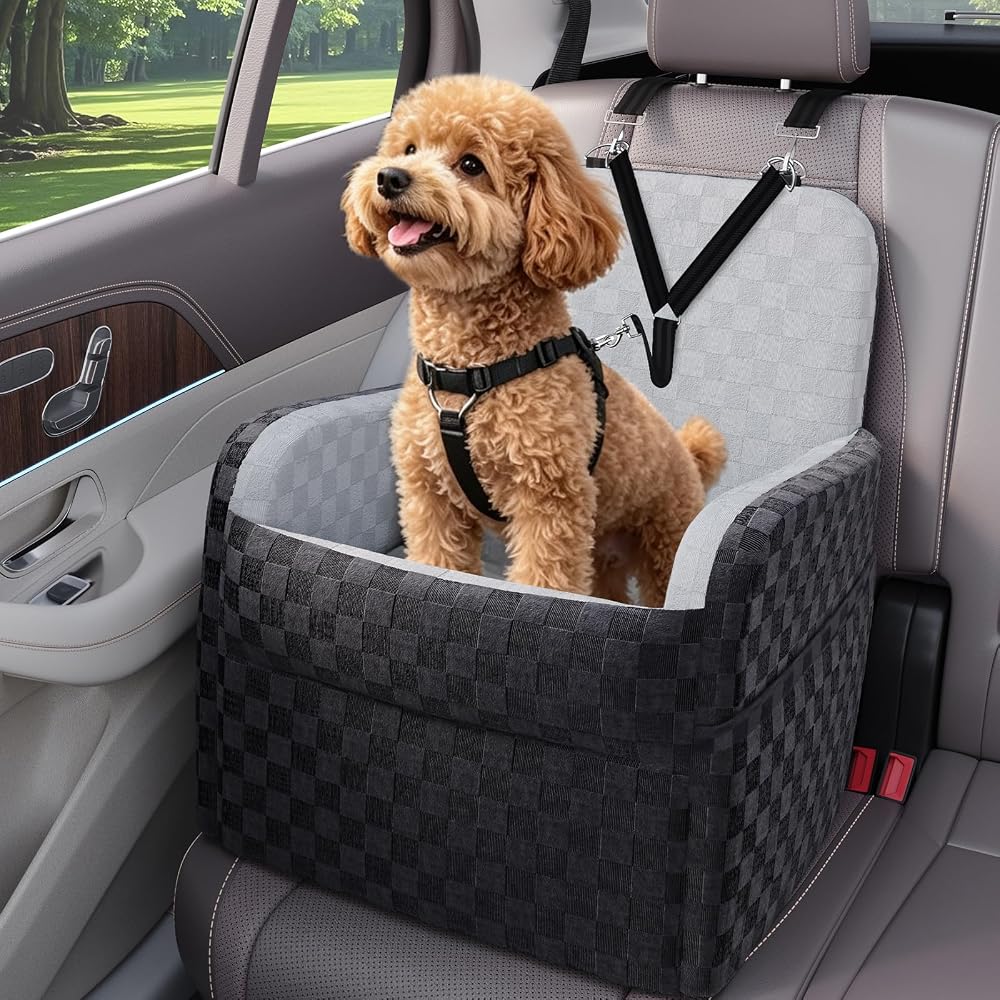
A booster car seat is ideal for a small to medium dog who wants a view and a contained, cosy spot. Pick one rated for your dog’s weight, with a strap that clips to a harness, not their collar. Be clear-eyed, though: a booster contains and comforts but is not crash protection unless it is independently crash-tested. For real crash safety, tether a crash-tested harness or use a crash-tested crate. Use the finder below.
- Boosters suit small and medium dogs. Large dogs are safer in a harness or a crate.
- Always clip the seat’s tether to a harness, never a collar, which can choke in a sudden stop.
- Most boosters are for comfort and containment, not verified crash protection.
- For crash safety, look for independently crash-tested gear, like the Center for Pet Safety ratings.
- A loose dog is a danger to everyone in the car, so some restraint always beats none.
We judge dog car seats on secure anchoring to the car, a tether that clips to a harness, a stable base, the right weight rating, and washability. We are honest that comfort-and-containment boosters are not the same as crash-tested restraints, and we point you to independent crash-test resources for true safety. We cross-check verified owner reviews and never take payment for placement. PetBuyLab is affiliate supported but editorially independent, and this is general information, not veterinary advice.
Dog Car Setup Finder
Tell us your dog’s size and what you want from the car setup, and this tool points you to the right option, a booster, a harness, or a crate, and the safety steps that go with it.
The crash-test truth about dog car seats
Here is what the marketing often glosses over. Many dog car seats and boosters are described as “safe” or even “crash-tested,” but there is no mandatory safety standard for pet travel products, and most claims are not independently verified. The Center for Pet Safety, a non-profit that crash-tests pet gear, has found that many popular products fail in a collision. That does not make boosters useless: a contained dog is far safer than a loose one bouncing around the cabin, and a booster genuinely helps with anxiety and car sickness. Just be clear about what you are buying. A booster is for comfort and containment. For crash protection, you want an independently crash-tested harness or crate, and you should always tether to a harness rather than a collar.
The 6 best dog car seats and boosters
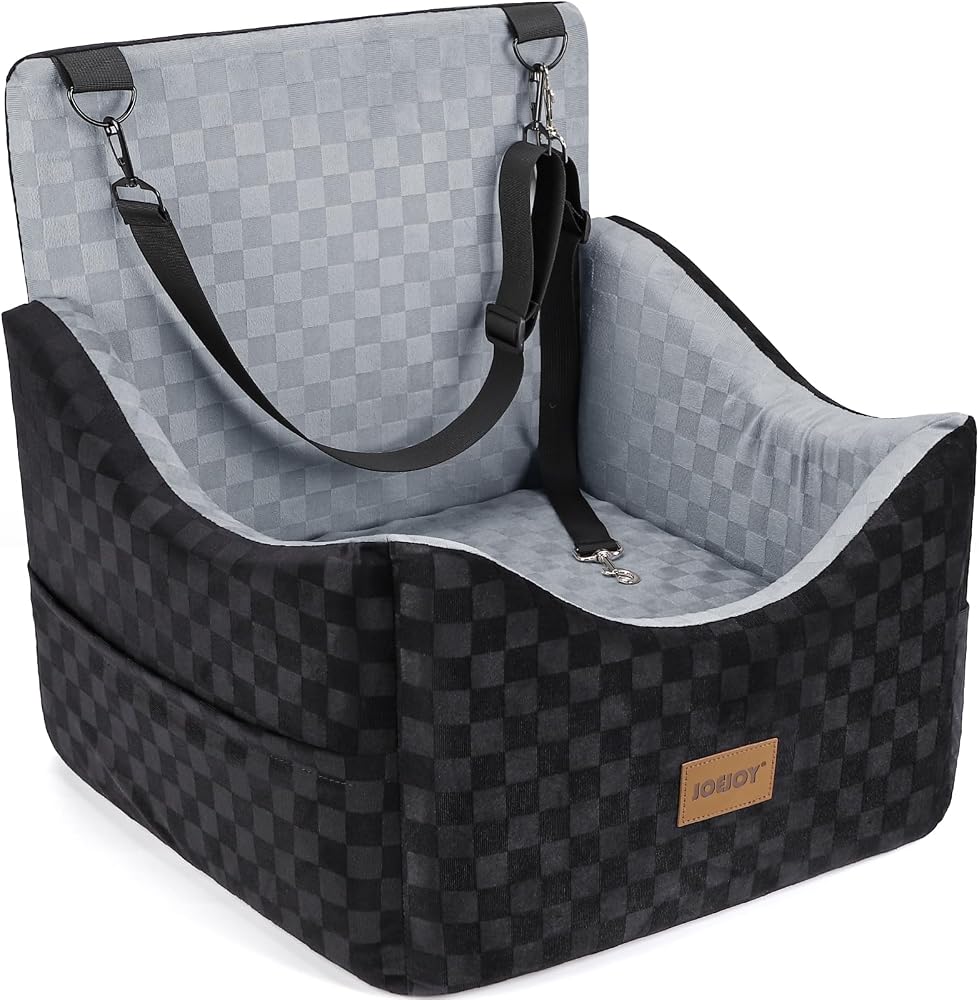
These boosters anchor securely, lift your dog to the window, and clip to a harness, with a pick for overall, value, safety design, small dogs, the best view, and waterproofing.

How the car seats compare
| Seat | Best for | Fits | Why it stands out |
|---|---|---|---|
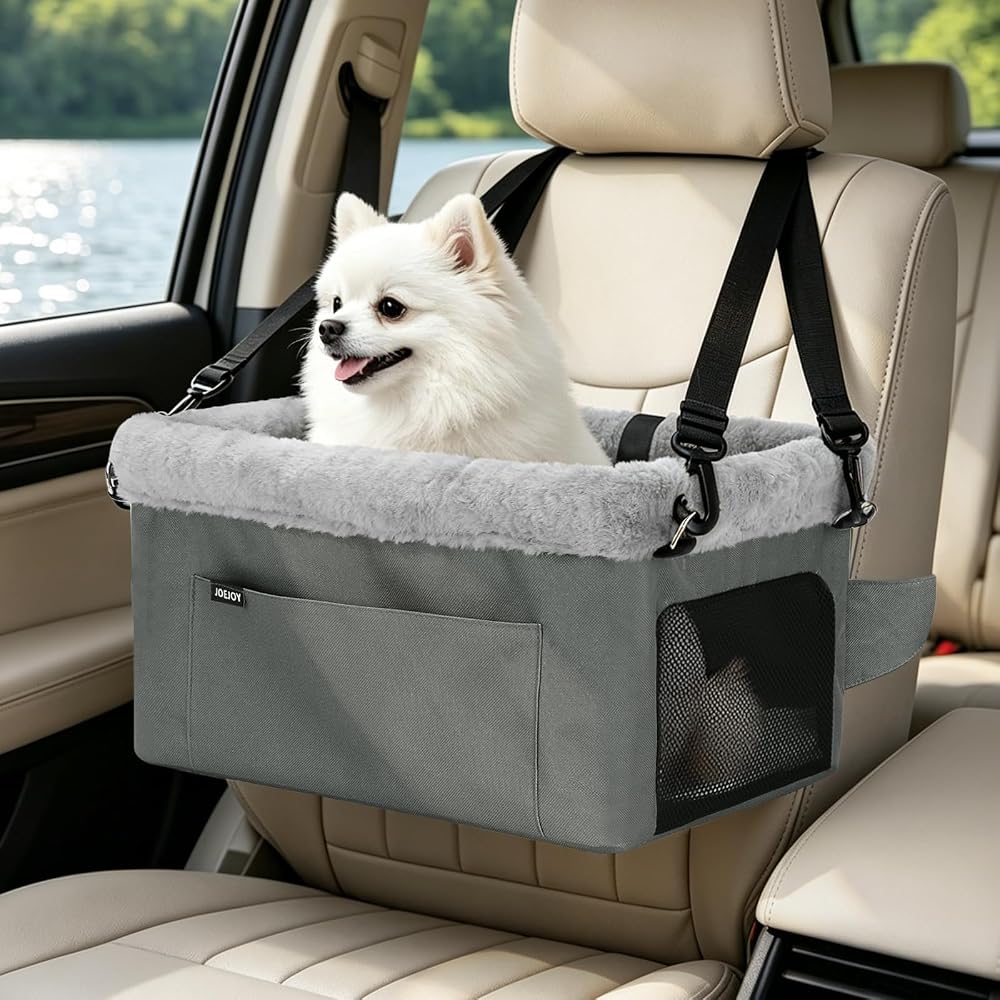
| JOEJOY Deluxe | Most small dogs | Up to ~25 lb | Sturdy frame, holds shape, tether included |
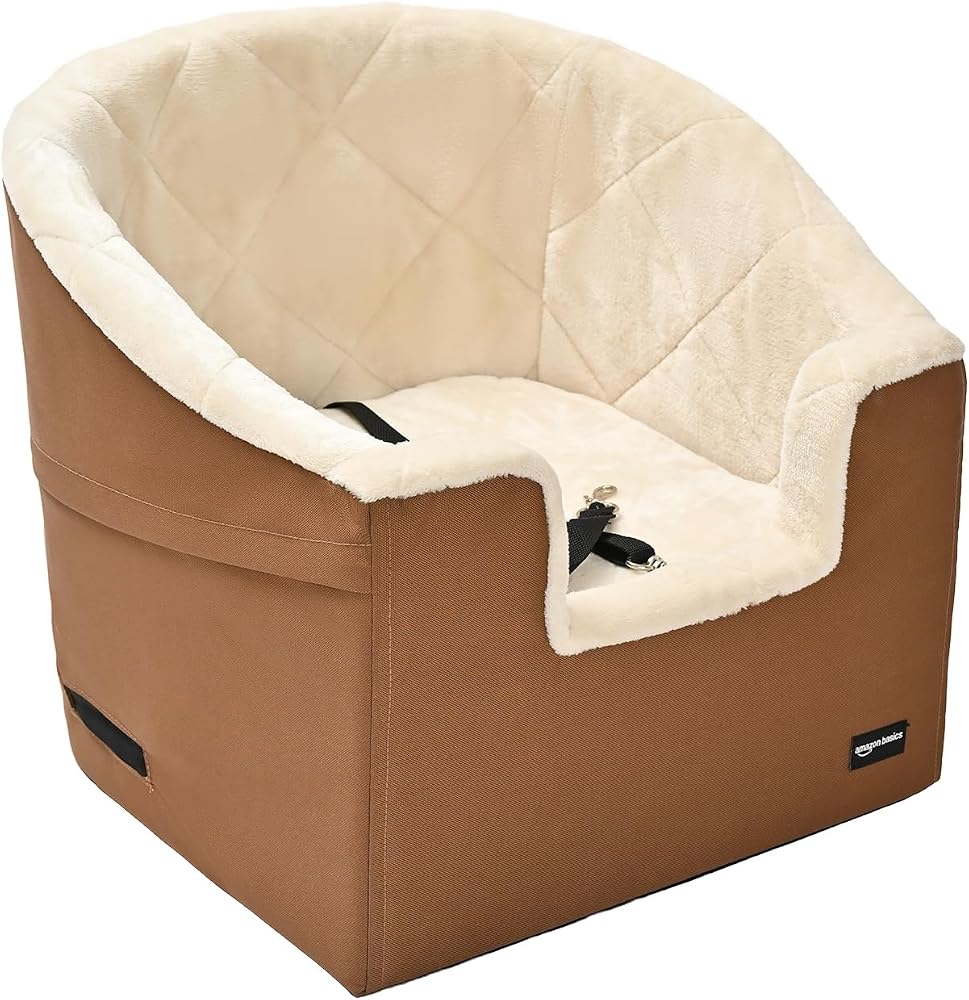
| Amazon Basics Booster | Value | Small dogs | Simple, well-reviewed, affordable |
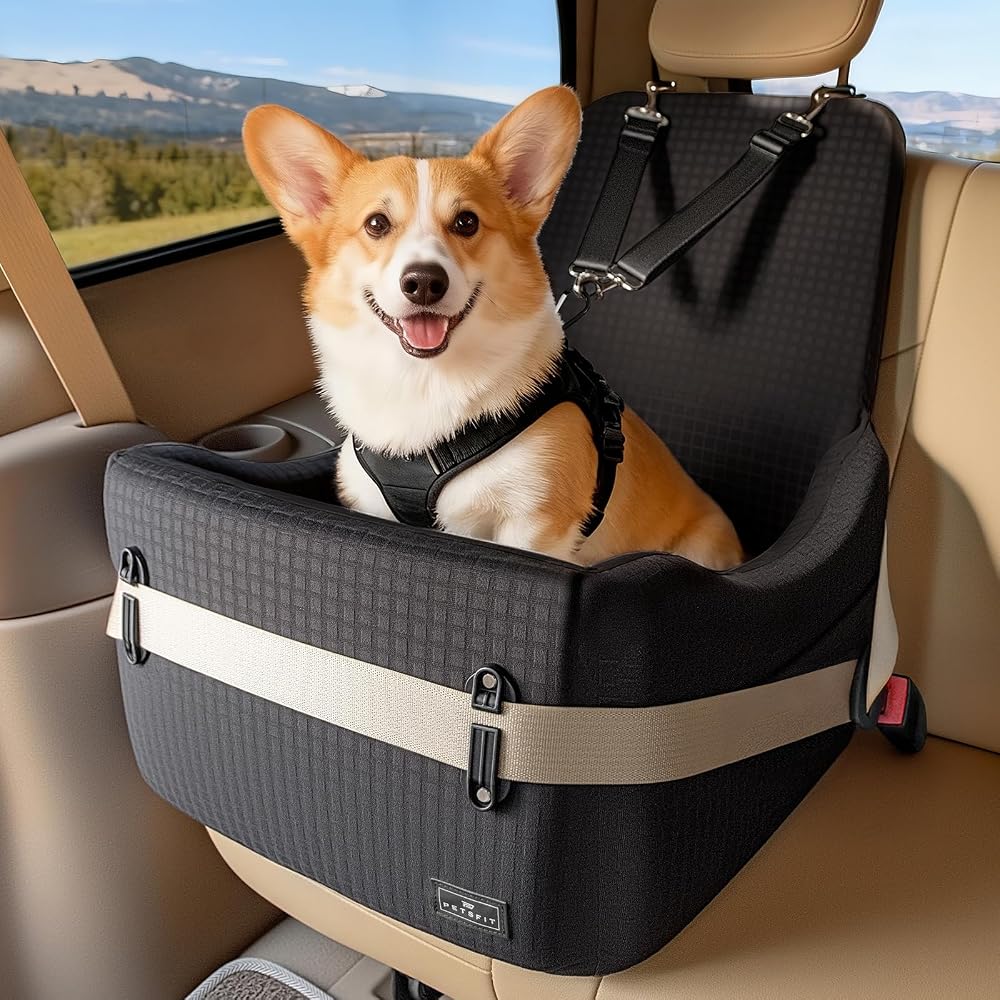
| PETSFIT | Safety-minded | Small to medium | Patented anchoring and tether system |
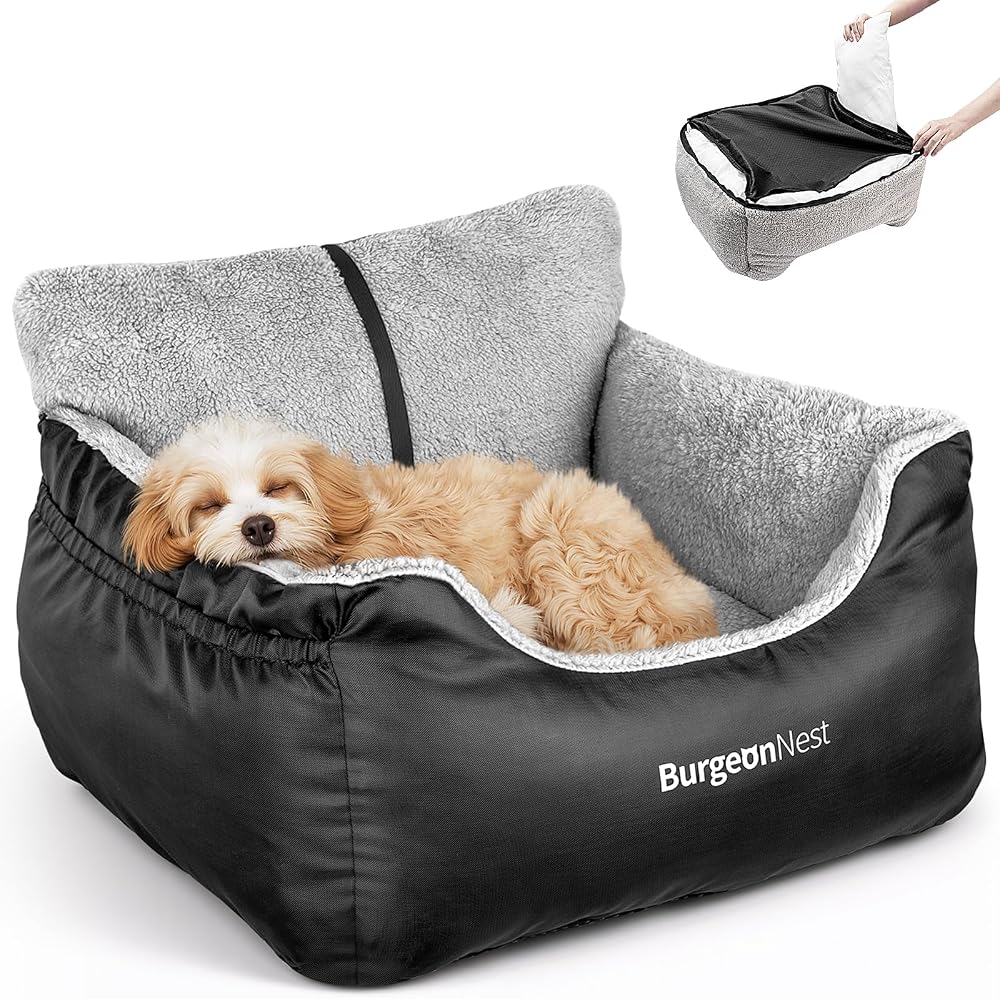
| BurgeonNest | Small dogs & cats | Toy & small | Cosy, enclosed, calming |
| JOEJOY Elevated | The best view | Small to medium | Raised so your dog can see out |
| Waterproof Booster | Messy dogs | Small to medium | Wipe-clean, drool and mud proof |
What you get at each price range
Simple booster
A basic soft booster with a tether. Fine for a small, calm dog on short trips. Check the weight limit and that it clips to a harness.
The sweet spot
A sturdier frame that holds its shape, better anchoring, and a wipe-clean cover. The best balance for daily rides.
Safety-focused
Boosters with patented anchoring and stronger tethers. For true crash protection, pair with a crash-tested harness.
What to look for in a dog car seat
- A correct weight rating. Match it to your dog, and size down to a harness or crate for big dogs.
- A harness tether, used with a harness. Never clip a car tether to a collar.
- Secure anchoring to the headrest and seat belt, so the seat itself does not slide.
- A stable, structured base that holds its shape rather than collapsing.
- A washable or wipe-clean cover, because car seats get muddy and drooly.
- Back-seat use, away from active front airbags, which are dangerous for dogs.
How to help your dog settle into a car seat
A new perch can feel strange, so introduce it gently before a long drive.
- Let your dog sniff and sit in the seat at home, out of the car, with treats.
- Install it in the back seat and reward your dog for hopping in while parked.
- Clip the tether to a well-fitted harness and take a short, calm trip first.
- Build up to longer drives, keeping the first few positive and uneventful.
- Never leave your dog alone in a parked car, which overheats dangerously fast.
Car seat mistakes to avoid
- Clipping the tether to a collar, which can injure the neck in a sudden stop.
- Putting a dog in the front seat, where an airbag can seriously hurt them.
- Assuming a booster is crash protection. It is comfort and containment.
- Using a small booster for a dog that is too big for it.
- Leaving a dog unattended in the car in warm weather, even for a few minutes.
What safety experts say
Safety organisations agree on two things: an unrestrained dog is a serious hazard, and not all restraints are equal. The Center for Pet Safety independently crash-tests pet travel products and has found many fail, which is why they certify only a short list of harnesses and crates. A loose dog can distract the driver, be injured by hard braking, or become a projectile in a crash, so any restraint is better than none. For the best protection, combine a booster’s comfort with a crash-tested harness or crate, keep dogs in the back seat, and never rely on a collar as an anchor. This is general information, not certified safety advice.
Frequently asked questions
What is the best dog car seat?
Are dog car seats safe in a crash?
What size dog can use a booster car seat?
Should the car seat tether clip to the collar or a harness?
Where should a dog car seat go, front or back?
Do dog car seats help with car sickness and anxiety?
What is the best car seat for a small dog?
Can big dogs use car seats?
Are crash-tested dog car products actually tested?
How do I clean a dog car seat?
Is a booster or a hammock better for my dog?
Can I leave my dog in the car seat while I run in somewhere?
The verdict
A dog car seat is a lovely upgrade for a small dog: a view out of the window, a contained spot, and less anxiety on the road. Pick a sturdy booster rated for your dog’s weight, use it in the back seat, and always clip the tether to a harness. Just keep the honest distinction in mind. A booster is comfort and containment, not crash armour, so for real protection pair it with a crash-tested harness or crate. For a big dog, skip the booster and go straight to a harness.
Keep reading

Olivia Isabella is PetBuyLab’s dog specialist and a lifelong dog owner with hands-on experience caring for senior and large-breed dogs. She researches, compares and lives with the mobility, comfort and everyday-care products she writes about, so she knows the practical details a spec sheet misses: how a ramp’s length sets the real slope a stiff-hipped dog will attempt, why surface grip decides whether a nervous dog commits, and how the wrong pick ends up unused in the garage. Every recommendation is built from manufacturer specifications, documented owner feedback and reputable veterinary sources, and is organised around a specific dog’s needs, never around commission. Her guides are informational and never a substitute for professional veterinary advice.