
Updated October 28, 2026 · Written by Olivia Isabella, PetBuyLab editorial team
An unrestrained dog is one of the most overlooked dangers in a car. In a crash or even a hard stop, a loose dog becomes a projectile that can hurt itself and everyone else, and on an ordinary drive it can distract you at the worst moment. A dog car harness or seat belt fixes that. But there is an important, honest distinction to make: most dog seat belts are tethers that keep your dog contained, not restraints that have been crash-tested to protect them in a collision. This guide covers the best dog car harnesses and seat belts, which ones are actually crash-tested, and how to set yours up safely.
Disclosure: PetBuyLab is reader supported. When you buy through links on this page we may earn a small affiliate commission, at no extra cost to you. It never changes our picks, and we do not take payment for placement. This is general guidance, not veterinary or safety-certification advice.
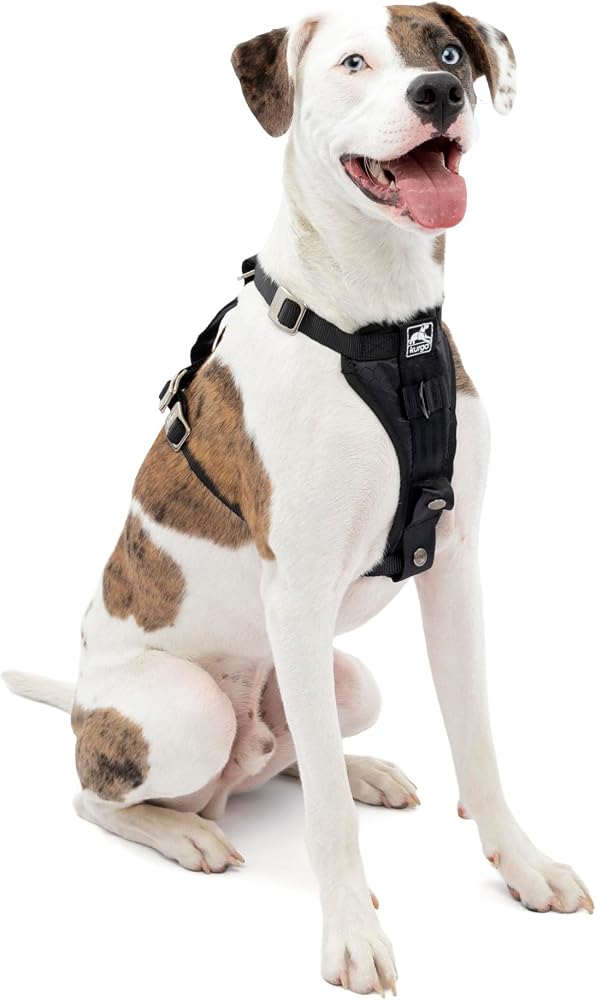
For the best balance of real safety and everyday value, a crash-tested harness like the Kurgo Tru-Fit, clipped to the seat belt in the back seat, is the pick for most dogs. Simpler seat-belt tethers are fine for containing a calm dog and cutting driver distraction, but they are not crash protection. Whatever you use, clip it to a harness, never a collar. Run the safety checker below to rate your current setup.
- Clip any restraint to a well-fitted harness. Never clip a tether to a collar.
- Only a few harnesses are independently crash-tested. Most seat belts only contain.
- A crash-tested harness or a secured crate gives the real crash protection.
- Keep dogs in the back seat, away from front airbags.
- Even a basic tether beats a loose dog, which is a danger to the whole car.
We judge dog car harnesses and seat belts on whether they clip to a harness rather than a collar, how securely they anchor to the seat belt or latch system, build quality and stitching, adjustability and fit, and whether the harness itself is independently crash-tested. We are honest about the difference between a containment tether and a crash-tested restraint, and we cross-check verified owner reviews. We never take payment for placement. PetBuyLab is affiliate supported but editorially independent, and this is general information, not veterinary advice.
Car Restraint Safety Checker
Tell us how your dog rides right now, and this tool rates how safe that setup is and gives you the single most important fix. It takes ten seconds.
Harness vs seat belt vs crate: what actually protects your dog
These terms get mixed up, so here is the plain version.
- A car safety harness is a padded harness your dog wears that clips to the seat belt. The best ones are crash-tested and offer the most real protection short of a crate.
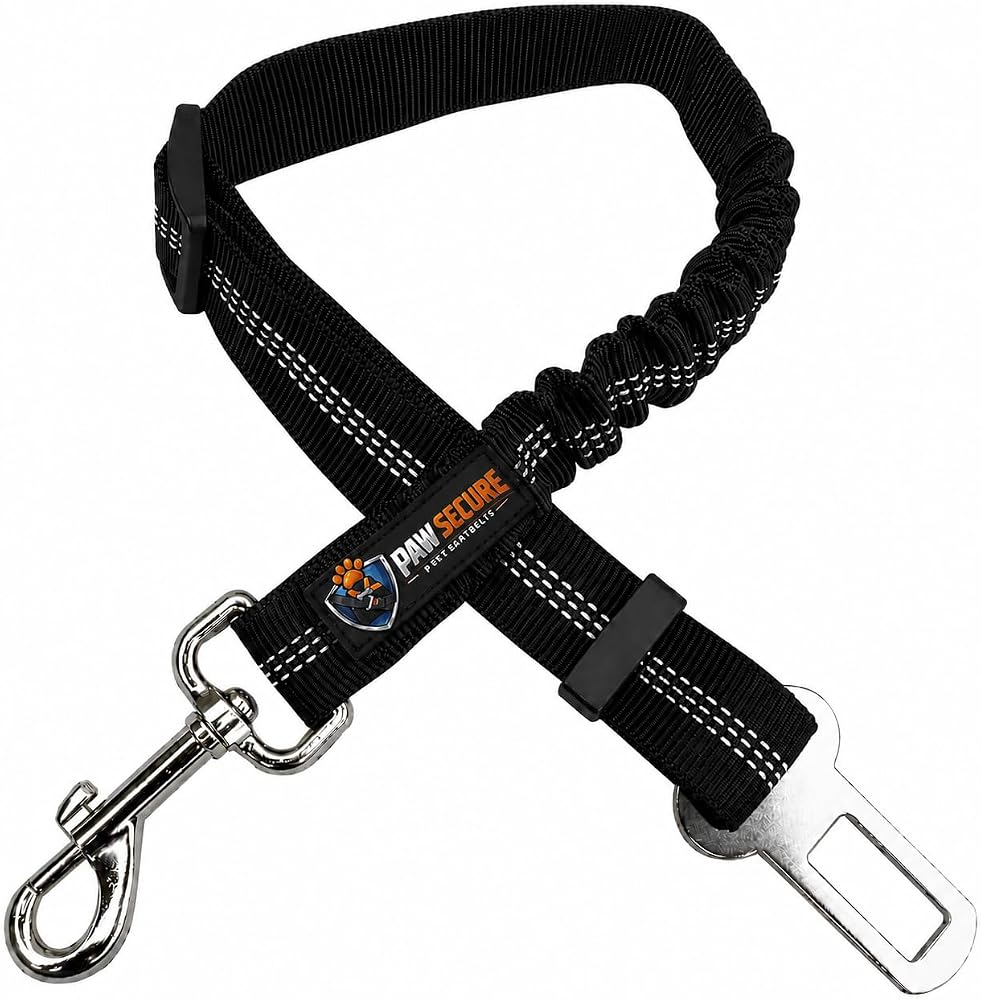
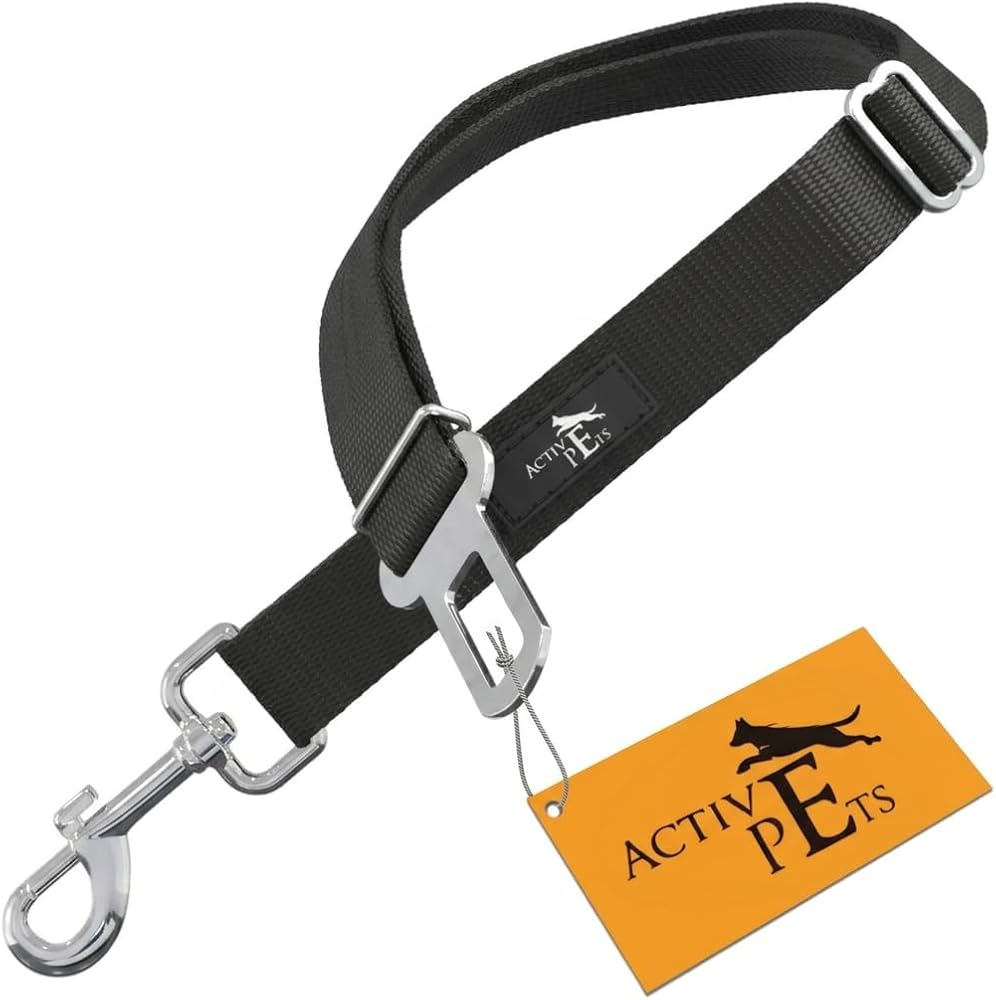
- A seat belt or tether is a short strap that clips a harness to the seat belt anchor. It contains your dog and stops them roaming, but a plain tether is not crash protection on its own.
- A crash-tested crate is, in many tests, the safest option of all, because it surrounds your dog with structure. It needs to be secured so it cannot move.
The honest takeaway: a tether is far better than nothing, a crash-tested harness is better still, and a secured crate is often best. Pick the level that fits your dog and your car.
The crash-test truth about dog car restraints
Here is what the packaging rarely makes clear. There is no mandatory safety standard for dog car restraints, so “crash-tested” on a label can mean almost anything, or nothing. The Center for Pet Safety, a non-profit that independently crash-tests pet travel gear, has found that many popular products fail, and it certifies only a short list of harnesses and crates. The Sleepypod Clickit is the harness most often cited as the gold standard, and it frequently sells out. Kurgo also crash-tests its harnesses to a recognised child-safety harness standard. The point is not that cheaper tethers are useless, a contained dog is far safer than a loose one, but that you should know what you are actually buying and look for named, independent testing when crash protection is the goal.
The 6 best dog car harnesses and seat belts
From a crash-tested harness to simple, well-reviewed tethers, here are strong picks at a range of prices, each with the job it does best.



How the harnesses and seat belts compare
| Product | Type | Best for | Why it stands out |
|---|---|---|---|
| Kurgo Tru-Fit | Crash-tested harness | Real protection | Crash-tested, includes a seat-belt tether, well proven |
| 3-in-1 Car Harness | Harness + belt | Value | Wearable harness and tether in one affordable set |
| Laqibak Removable | Harness + belt | Walks + car | Works as a walking harness and a car restraint |
| COOYOO | Seat-belt tether | Most dogs | Hugely reviewed, retractable, simple to use |
| Bungee Seat Belt | Seat-belt tether | Pullers | Shock-absorbing elastic cuts the jolt of a stop |
| Adjustable Belt | Seat-belt tether | Simplicity | Cheap, adjustable, clips to a harness in seconds |
What you get at each price range
Seat-belt tether
A simple strap that clips your dog’s harness to the seat belt. Great for containing a calm dog and ending driver distraction. Not crash protection on its own.
Crash-tested harness
A padded, adjustable harness that is independently crash-tested and comes with a tether. The sweet spot of real safety and daily usability.
Certified harness or crate
A CPS-certified harness such as the Sleepypod Clickit, or a crash-tested, secured crate. The most protection for dogs who travel a lot.
What to look for in a dog car harness
- It clips to a harness, not a collar. This is the single most important rule.
- Independent crash testing if protection is the goal, ideally named third-party testing such as the Center for Pet Safety.
- A secure seat-belt or latch connection that does not pop loose under load.
- Strong, wide, padded straps that spread force across the chest, with solid stitching and buckles.
- A snug, adjustable fit for your dog’s size, so there is little slack to build up momentum.
- A short tether that keeps your dog on the seat, not able to reach the footwell or a window.
How to fit and use a dog car harness
A restraint only works if it fits and is used correctly. Take a few minutes the first time.
- Measure your dog and pick the right size, then adjust the straps for a snug fit, two fingers under each strap.
- Let your dog wear the harness at home with treats so it feels normal before the car.
- In the back seat, clip the tether to the harness, never the collar, and to the seat belt or latch anchor.
- Keep the tether short, so your dog can sit, stand and lie down but not reach the footwell or window.
- Take a short, calm first trip, then build up, and never leave your dog alone in a parked car.
Car restraint mistakes to avoid
- Clipping the tether to a collar, which can choke or injure the neck in a stop.
- Trusting a “crash-tested” label with no named, independent testing behind it.
- Leaving the tether so long your dog can reach the footwell, window or driver.
- Letting your dog ride in the front seat, where airbags are dangerous for them.
- Using a loose or wrongly sized harness that lets momentum build in a crash.
- Leaving a dog unattended in a parked car, which overheats within minutes.
What safety experts say
Safety organisations are consistent: an unrestrained dog is a serious hazard to itself and everyone in the vehicle, and not every restraint delivers what it claims. The Center for Pet Safety independently crash-tests pet gear and certifies only a short list of harnesses and crates, because many products fail in testing. Experts agree a loose dog can distract the driver, be thrown in a crash, or become a projectile that injures passengers. The safest setups are a crash-tested harness clipped to the seat belt or a secured, crash-tested crate, always in the back seat and never anchored to a collar. This is general information, not certified safety advice.
Frequently asked questions
What is the safest dog car harness?
Are dog seat belts actually safe?
Should I clip the seat belt to my dog’s collar or harness?
Is a harness or a crate safer for my dog in the car?
What does crash-tested actually mean for dog harnesses?
Where should my dog ride in the car?
Can a dog car harness be used for walks too?
How tight should a dog car harness be?
Do I need a special harness or can I use my walking harness?
Are retractable dog seat belts safe?
What size harness does my dog need?
Can I leave my dog harnessed in a parked car?
The verdict
Restraining your dog in the car is one of the simplest safety upgrades you can make, and any restraint beats a loose dog. For most people the sweet spot is a crash-tested harness like the Kurgo Tru-Fit, clipped to the seat belt in the back seat. If your dog travels constantly, step up to a CPS-certified harness such as the Sleepypod Clickit or a secured, crash-tested crate. And if a budget is tight, a simple tether clipped to a proper harness is still a huge improvement. Whatever you choose, clip to a harness, keep it short, and keep your dog in the back.
Keep reading

Olivia Isabella is PetBuyLab’s dog specialist and a lifelong dog owner with hands-on experience caring for senior and large-breed dogs. She researches, compares and lives with the mobility, comfort and everyday-care products she writes about, so she knows the practical details a spec sheet misses: how a ramp’s length sets the real slope a stiff-hipped dog will attempt, why surface grip decides whether a nervous dog commits, and how the wrong pick ends up unused in the garage. Every recommendation is built from manufacturer specifications, documented owner feedback and reputable veterinary sources, and is organised around a specific dog’s needs, never around commission. Her guides are informational and never a substitute for professional veterinary advice.